Guides
Selling Your Old Gold? How Jewellers Set the Buy-Back Price
The board says Rs 438,136 per tola — but no jeweller pays you the board rate for old gold. Here is how the buy-back price is really set: tested karat, net weight, deductions, and the spread.

Gold fell Rs 12,800 in a single day — on 29 September 2026 the 24K rate in Pakistan stands at Rs 438,136 per tola. Sharp drops always bring sellers to the market: people who need cash, or want to exchange old pieces for new designs. But here is the first thing to understand: the rate on the board is the SELLING rate. The price a jeweller pays YOU for old gold is a different number, set by a different formula. Here is exactly how it works.
Step 1: The buy-back rate is always below the board rate
Every shop buys old gold cheaper than it sells new gold. The gap — the spread — is the shop's margin, and it is completely normal. What is NOT normal is a shop that refuses to tell you its buying rate. Before you show your piece, ask: "Aap khareed kis rate par karte hain?" Get the per-gram buying rate first, in writing. At today's 24K tola rate of Rs 438,136 (about Rs 37,576 per gram), the buy-back quote per gram will be lower — and the size of that gap varies shop to shop, so it is worth asking two or three.
Step 2: Stones, enamel and thread are removed first
Your bangle's gross weight includes its stones, meenakari, pearls and thread. The jeweller pays for GOLD only — stones are removed or their estimated weight is deducted. Always ask for the NET gold weight separately and get it written down. A heavily stone-studded "two tola" piece can contain far less gold than its total weight suggests, and that surprises many sellers.
Step 3: The karat is tested, not assumed
That "22K" set bought fifteen years ago may test as 21K or even lower — old pieces vary, and some were never what the receipt claimed. Shops test with acid or an electronic tester, and the payout follows the TESTED karat, not the old receipt. Watch the test happen. Ask what karat it tested at and what per-gram rate that karat gets today — at today's rate, one gram of tested 22K gold is worth about Rs 34,420 (91.6% of the 24K gram rate).
Step 4: Ask about the melting deduction up front
Most shops deduct a small percentage for melting and refining old gold into pure metal. This is standard practice — but the percentage must be stated BEFORE you hand over the piece, not discovered on the final receipt. Compare it across shops: on a few tolas of gold, even a one-percent difference is thousands of rupees.
Step 5: Exchange usually beats cash — and never panic-sell
Exchanging old gold for new jewellery almost always earns you a better effective rate than taking cash, because the shop keeps you as a buyer and can afford a tighter spread. And timing matters: selling into a sharp down day like today's Rs 12,800 drop is exactly when spreads are widest. Unless you must sell today, wait for a calmer market day — the board rate and the buy-back rate both treat you more fairly then. Note: Gold rates change daily and sarafa markets are closed on Sundays. The figures above use the rate reported on 29 September 2026 as an example — always confirm the current buying rate before you sell.
Have a question about your jewellery?
Our team replies on WhatsApp.
Shop the look
Pieces you may love
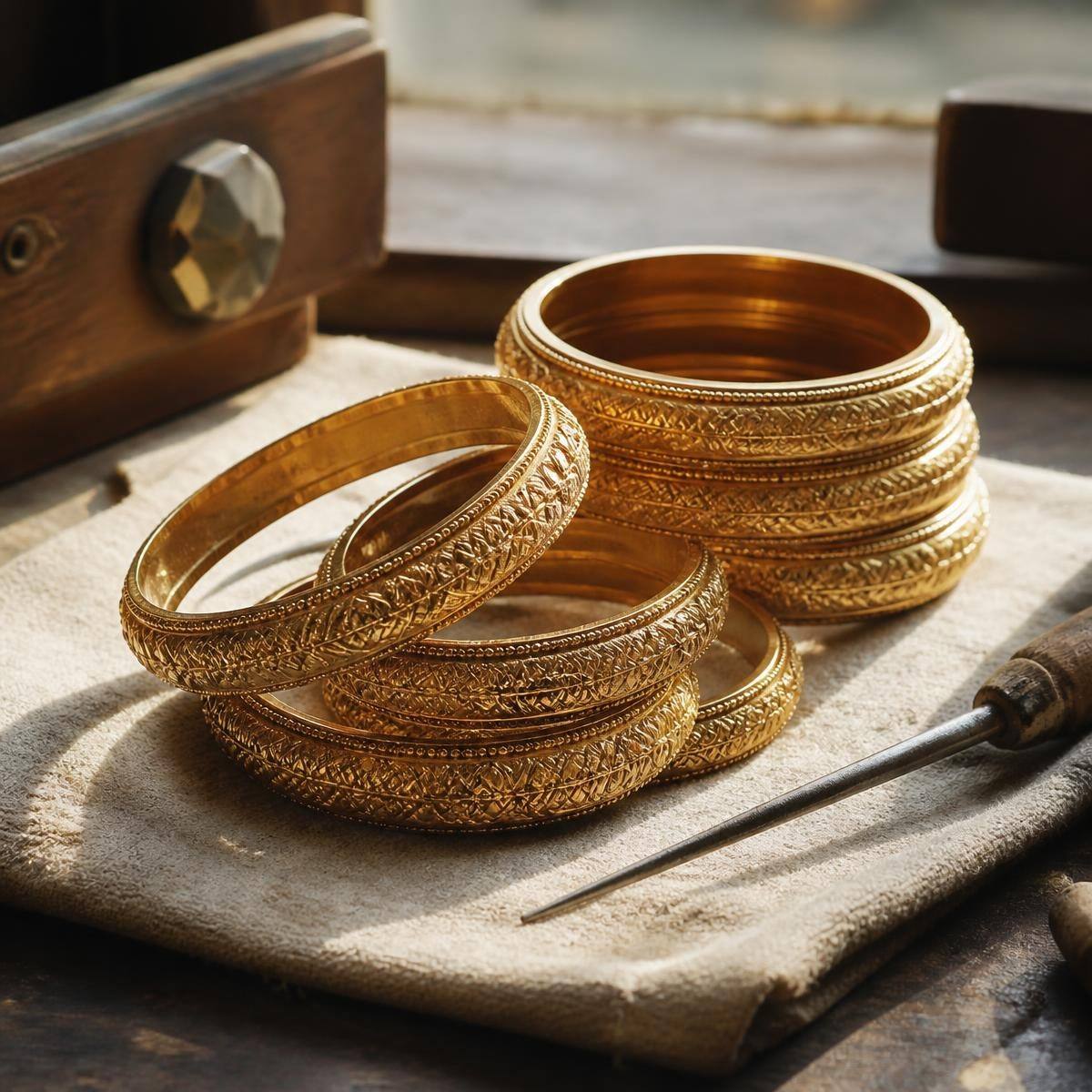
Made to order
Bridal Bangle Set (Pair)
Gold · 22K · 36.00 g
Price on enquiry
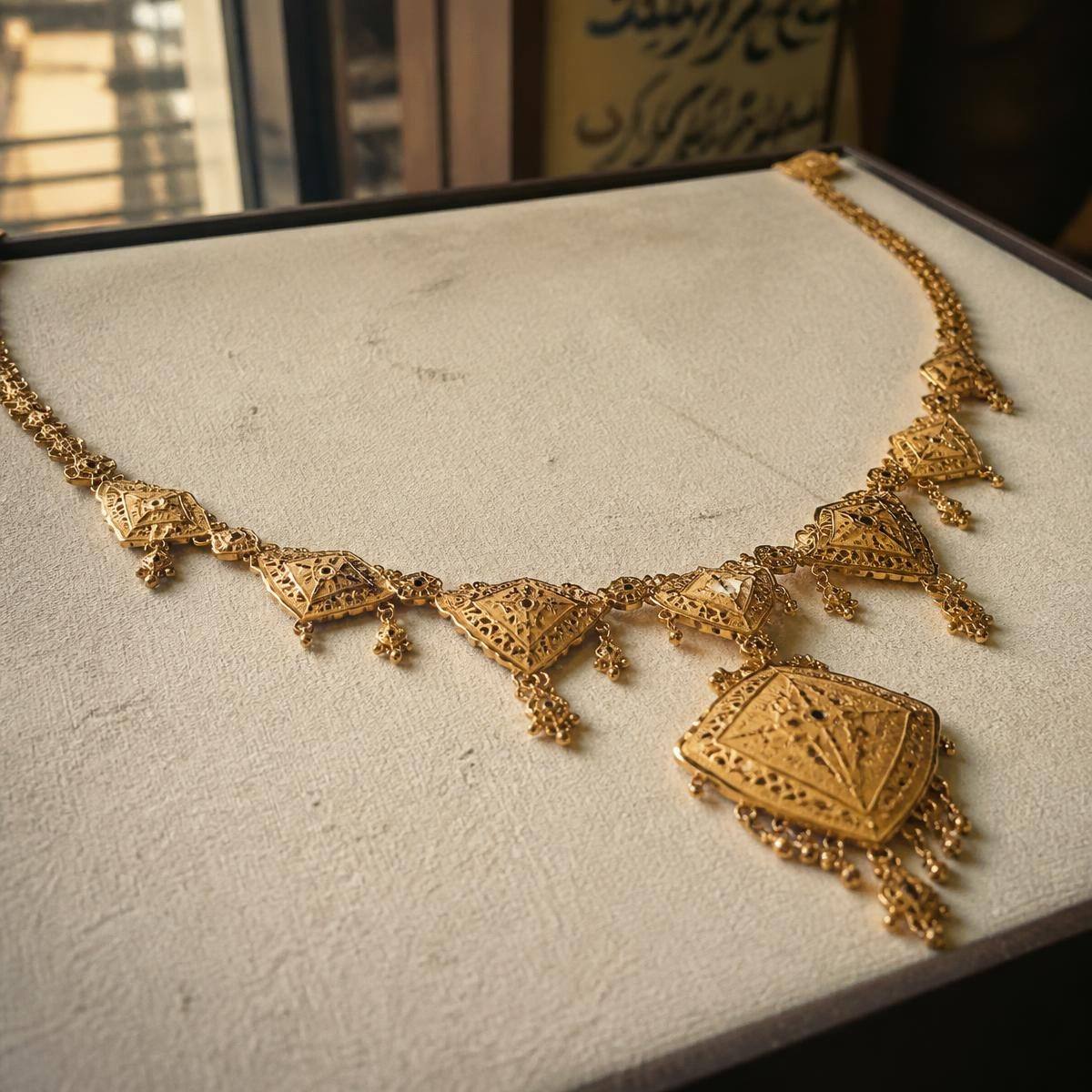
Made to order
Heritage Choker Necklace
Gold · 22K · 48.50 g
Price on enquiry
Made to order
Hand-Carved Bangle
Gold · 22K · 18.40 g
Price on enquiry
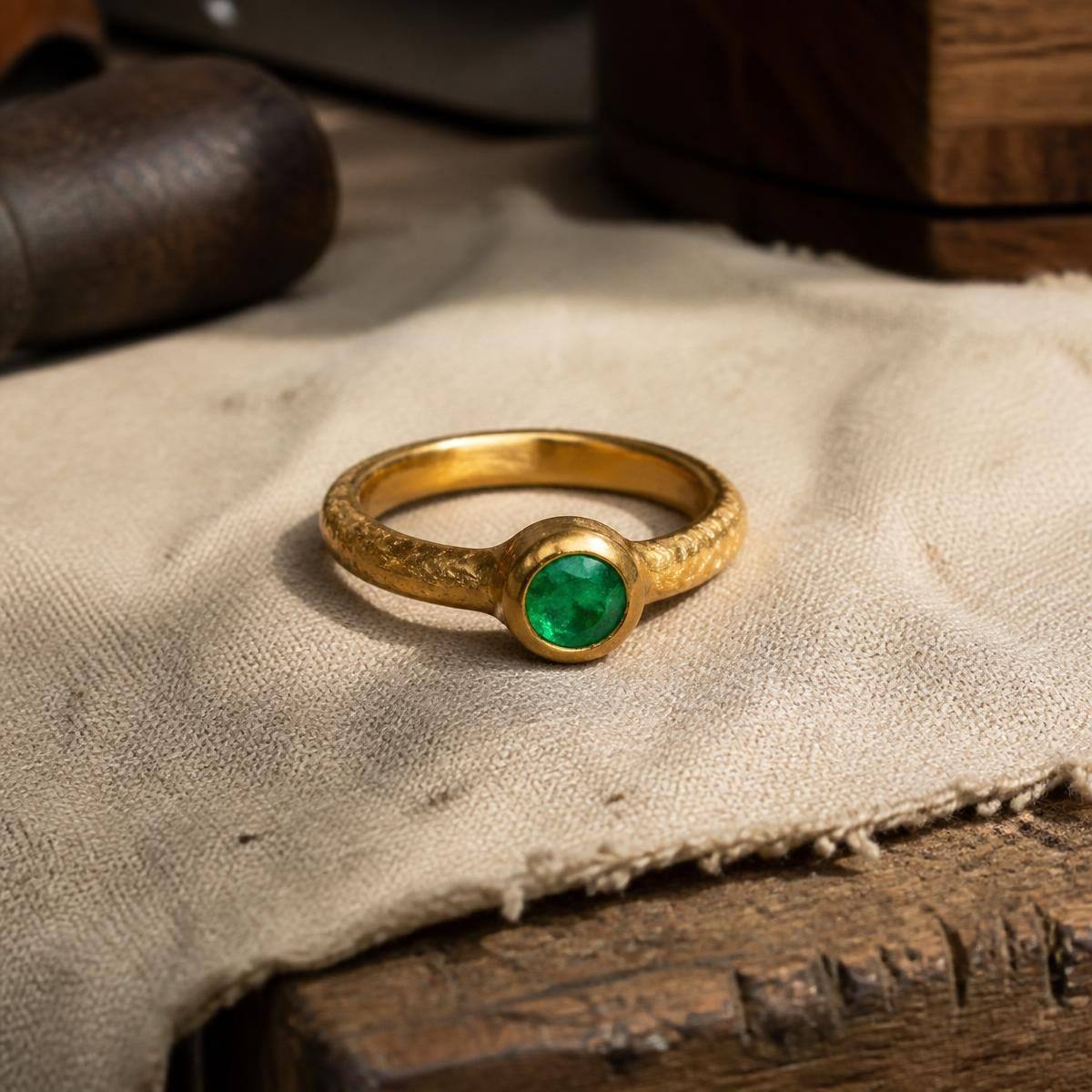
Made to order
Kundan Statement Ring
Gold · 22K · 9.20 g
Price on enquiry