
Guides
How to Keep Your Gold Jewellery Shining for Years: Care, Cleaning & Storage Guide
Gold does not tarnish, but dust, perfume and daily wear can dull it. This expert guide covers safe home cleaning, smart storage and the mistakes that quietly lower your jewellery's value.
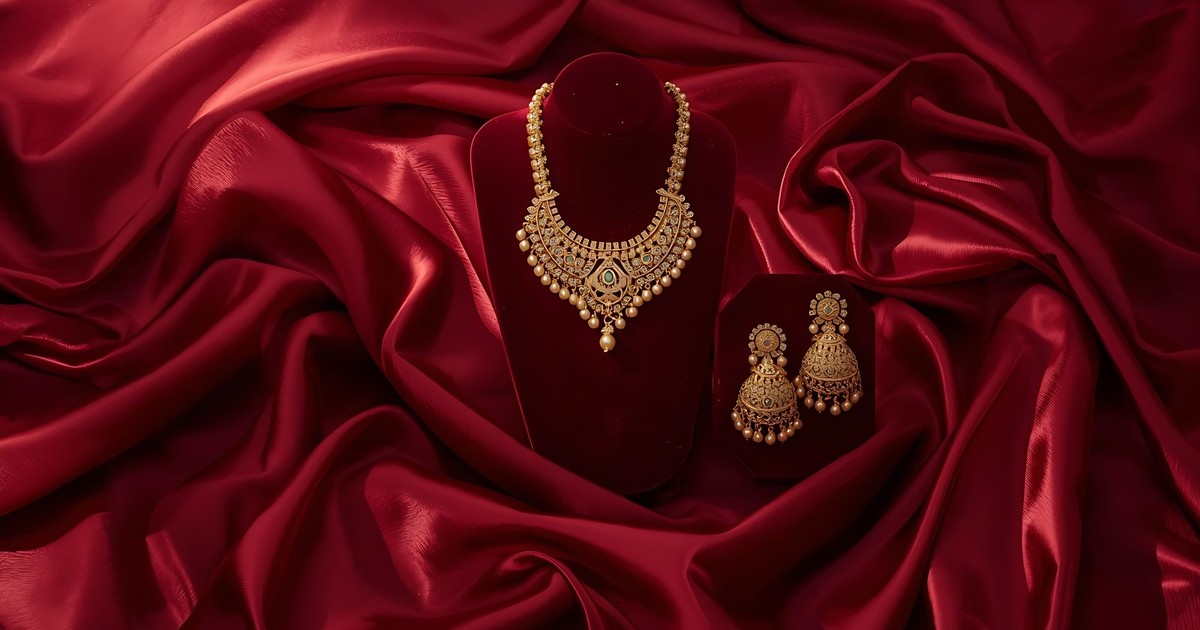
Why Gold Loses Its Shine Over Time
Pure gold does not tarnish the way silver does, so a dull-looking piece is usually not damaged — it is simply coated in a thin film of dust, skin oils, soap residue and perfume. Everyday wear adds to that film a little at a time, which is why a necklace that sparkled at a wedding can look flat a year later. The good news is that most of this dullness washes off with the right method, and the gold underneath is generally as good as new.
One thing to remember is that most jewellery is not pure gold. A 22K piece is about 91.6% gold mixed with small amounts of other metals for strength, and those alloys can react slightly with sweat, cosmetics and household chemicals. That is normal, and it is one more reason gentle, regular care matters more than one aggressive deep clean.
The Safe Way to Clean Gold Jewellery at Home
• Fill a small bowl with lukewarm water — never hot — and add two or three drops of mild dish soap. • Place your gold jewellery in the bowl and let it soak for 10 to 15 minutes. • Lift each piece out and brush it gently with a soft-bristled toothbrush, reaching carefully around stones and clasps. • Rinse under clean lukewarm running water. • Pat dry with a soft, lint-free cloth and let the piece air-dry fully before putting it away.
This method suits most plain gold chains, bangles, rings and earrings. For pieces with glued-in stones, kundan, polki or enamel work, skip the soaking and wipe them with a barely damp soft cloth instead — long soaking and vibration can loosen delicate settings. If a piece has great sentimental or monetary value and you are unsure, a jeweller's gentle professional clean is the safer choice.
Never use toothpaste, baking soda, vinegar, bleach or abrasive powders on gold jewellery. These are often suggested online, but they can scratch the surface, dull the finish and damage stones. Ultrasonic cleaners should also be avoided at home for kundan, polki and emerald pieces, since the vibration can loosen the foiling and settings that hold the stones in place.
The Jewellery-Last Rule: Perfume, Makeup, Then Jewellery
The simplest habit that protects gold jewellery is putting it on last. Apply perfume, lotion, hairspray and makeup first, let everything dry for a few minutes, and only then wear your jewellery. Perfume and hairspray leave a film that builds up on gold and stones, and that film is one of the main reasons jewellery loses its shine between cleanings.
Take your jewellery off before cooking, housework, exercise, swimming and bathing. Chlorinated pool water and salt water can weaken gold over time, household cleaners and bleach are harsh on both metal and stones, and a single knock during chores can bend a bangle or loosen a stone. A few seconds of care here saves expensive repairs later.
Store Each Piece Separately
Gold is a soft metal, so pieces stored together rub against each other and pick up fine scratches. The best practice is to store each piece in its own soft pouch or in a separate compartment of a jewellery box. If you do not have pouches, wrapping each piece in a soft cloth works well too. Keep chains fastened so they do not tangle, and lay necklaces flat rather than hanging them from hooks for long periods.
Store your jewellery in a cool, dry place away from direct sunlight and humidity. In humid months, a small silica gel packet inside the jewellery box can help absorb moisture. For travel, use a padded jewellery roll or individual pouches — loose pieces rattling in a bag are one of the most common causes of bent clasps and scratched surfaces.
How Often to Get Jewellery Professionally Checked
Even well-kept jewellery benefits from a professional check once or twice a year. A jeweller can inspect prongs, clasps, locks and stone settings, and tighten anything that has worked loose. Catching a loose prong early is a five-minute fix; catching it after a stone falls out is a far more expensive problem. Many jewellers offer this check along with a gentle clean.
Professional polishing can bring back a like-new shine, but it should not be done too often, because each polish removes a microscopic layer of metal. For everyday pieces, a professional polish once a year or so is generally plenty. Between visits, the warm-water-and-soap method at home is enough to keep your jewellery looking fresh.
Care Mistakes That Quietly Lower Your Jewellery's Value
Gold is a major family asset — with 24K gold trading around Rs. 432,000–433,000 per tola in Pakistan today (14 October 2026), even a small piece represents serious money. Rates change daily and can differ by city and jeweller, so always confirm the current rate before buying or selling. Well-maintained jewellery generally holds its value better when it is eventually exchanged or sold, because clean, undamaged pieces with tight settings need less rework.
The most common value-draining mistakes are sleeping in jewellery, wearing it during chores or swimming, scrubbing it with harsh cleaners, and ignoring a loose stone or wobbly clasp until it fails. Avoid those four, clean gently every few weeks, and store each piece separately — your gold will keep its shine and its value for years. This guide is general care advice; for antique, enamelled or heavily studded pieces, follow your jeweller's specific instructions.
#gold rate#sone ka rate#daily gold rate#sarafa#october 2026
Have a question about your jewellery?
Our team replies on WhatsApp.
Shop the look
Pieces you may love
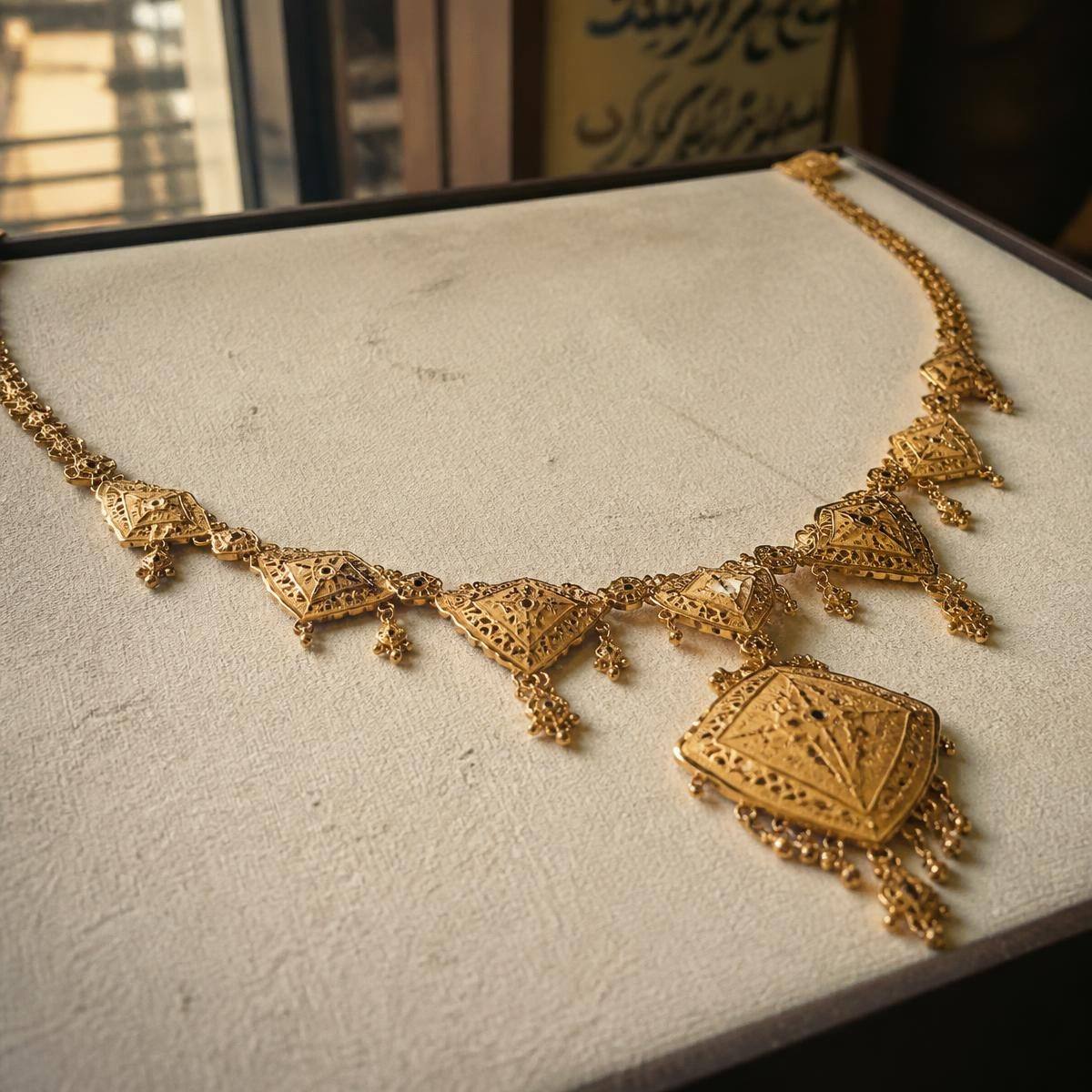
Made to order
Heritage Choker Necklace
Gold · 22K · 48.50 g
Price on enquiry
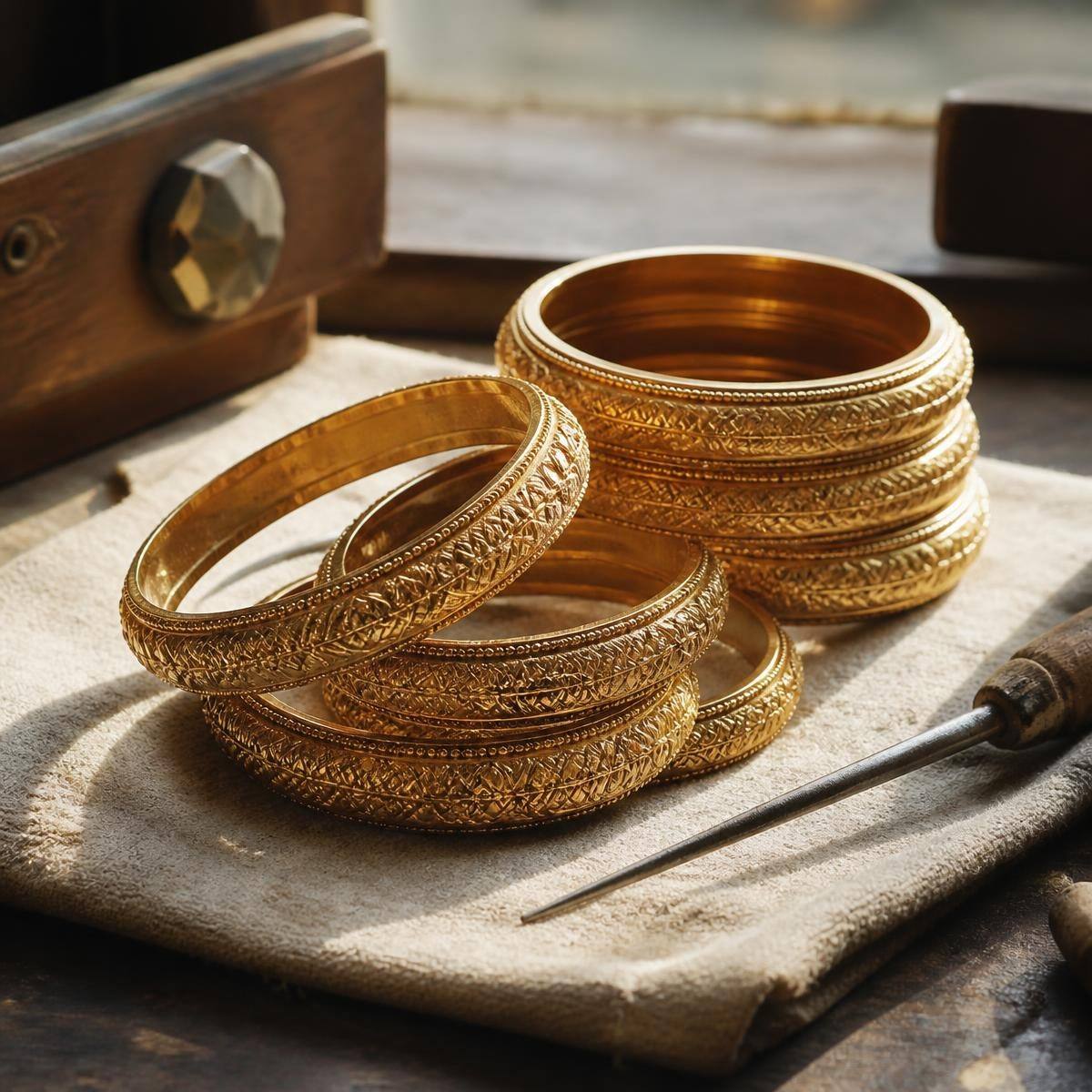
Made to order
Bridal Bangle Set (Pair)
Gold · 22K · 36.00 g
Price on enquiry
Made to order
Hand-Carved Bangle
Gold · 22K · 18.40 g
Price on enquiry
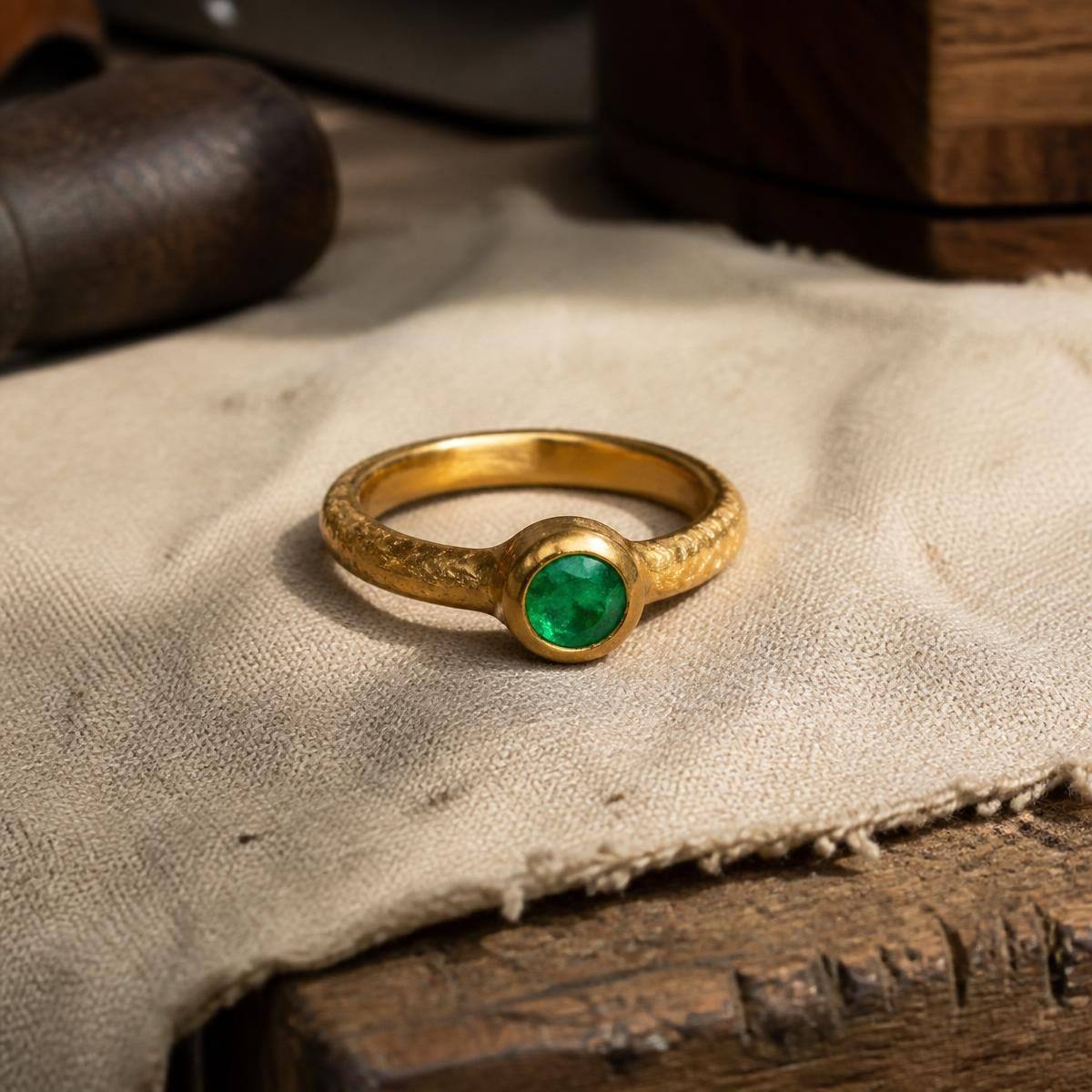
Made to order
Kundan Statement Ring
Gold · 22K · 9.20 g
Price on enquiry