Guides
Gold Making Charges Explained: How Banwai Works and What Is Fair in Pakistan
What are gold making charges, how jewellers calculate banwai, and what a fair rate looks like. A plain jeweller's guide to reading your bill, negotiating, and avoiding hidden wastage costs.
What Are Making Charges?
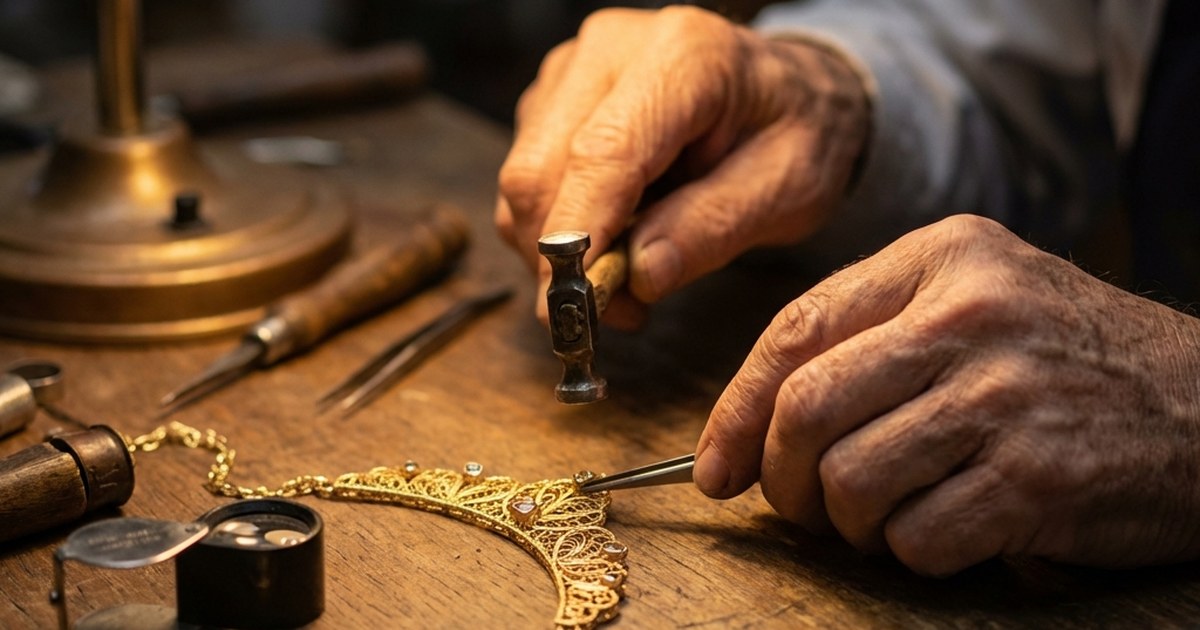
Making charges — banwai, in the language of Pakistan's sarafa market — are what a jeweller charges for turning raw gold into finished jewellery. The daily gold rate only covers the metal itself; making charges cover design, skilled labour, polishing, finishing and the shop's overhead.
Think of it this way: the sarafa rate is the price of the raw material, while banwai is the price of the craft. That is why two bangles with exactly the same weight can have noticeably different prices — the handwork inside them is different.
How Jewellers Calculate Making Charges
Pakistani jewellers generally use two methods: a flat amount per gram, or a percentage of the gold's value. A simple machine-made bangle might carry a modest per-gram charge, while a detailed polki or antique-finish set is usually priced as a higher percentage because it takes far more handwork.
A rough example: if 22K gold is around Rs 396,000 per tola and a jeweller quotes 12% making charges, the banwai on one tola comes to roughly Rs 47,500 — before any wastage or taxes. Gold rates change daily, so always redo this maths on the day you buy; check today's rate first.
What Counts as a Fair Rate?
There is no single fixed rate, but broad market guidance puts making charges in Pakistan in a wide band — simple machine-made pieces on the lower end and intricate handcrafted designs much higher. If a quote for an ordinary design feels far outside that range, treat it as a signal to compare shops.
Design complexity drives the number. Handwork, stone setting, meenakari enamel, antique textures and polki work take longer and need more skill, so they legitimately carry higher banwai. A plain gold band and a bridal choker are simply not the same job.
Ready-made pieces on display generally carry lower making charges than custom orders. A custom design needs fresh carving, fresh moulds and the karigar's dedicated time — so expect banwai to be higher when you order something made just for you.
The Hidden Cost Many Buyers Miss: Wastage
Some jewellers add a separate 'wastage' charge — a percentage meant to cover gold lost during crafting. Wastage is a genuine part of jewellery-making, but it is also where bills can quietly inflate. Always ask whether wastage is included in the making charge or added on top of it.
• Ask for an itemised bill: net gold weight, the day's gold rate, making charges, wastage (if any) and taxes as separate lines. • Weigh the piece on a certified scale and confirm the karat stamp. A trustworthy jeweller breaks the bill down without hesitation.
How to Negotiate Making Charges Fairly
Making charges are often the most negotiable part of a jewellery bill. The gold rate is set by the market and rarely moves, but banwai has room. Get quotes from two or three jewellers for a similar design, then ask politely whether the making charge can be adjusted — especially on heavier or ready-made pieces.
• Compare like with like: same karat, similar design, itemised bills side by side. • Ask about seasonal or wedding-season offers on making charges. • Stay polite — a good jeweller explains the number rather than arguing about it.
Resale Reality and a Buyer's Checklist
Be clear-eyed about one thing: when you sell old gold, jewellers generally pay for the metal only. The making charges and wastage you paid years ago are rarely recovered. That is normal — and it is exactly why understanding banwai before you buy matters so much.
• Final checklist: confirm the karat stamp, weigh on a certified scale, get the itemised bill and keep the receipt safe. • Rate note: this guide references 16 October 2026 market readings (24K ~Rs 432,000 and 22K ~Rs 396,000 per tola, international ~$4,157/oz). Rates change daily — always check today's rate before buying.
#gold rate#sone ka rate#daily gold rate#sarafa#october 2026
Have a question about your jewellery?
Our team replies on WhatsApp.
Shop the look
Pieces you may love
Made to order
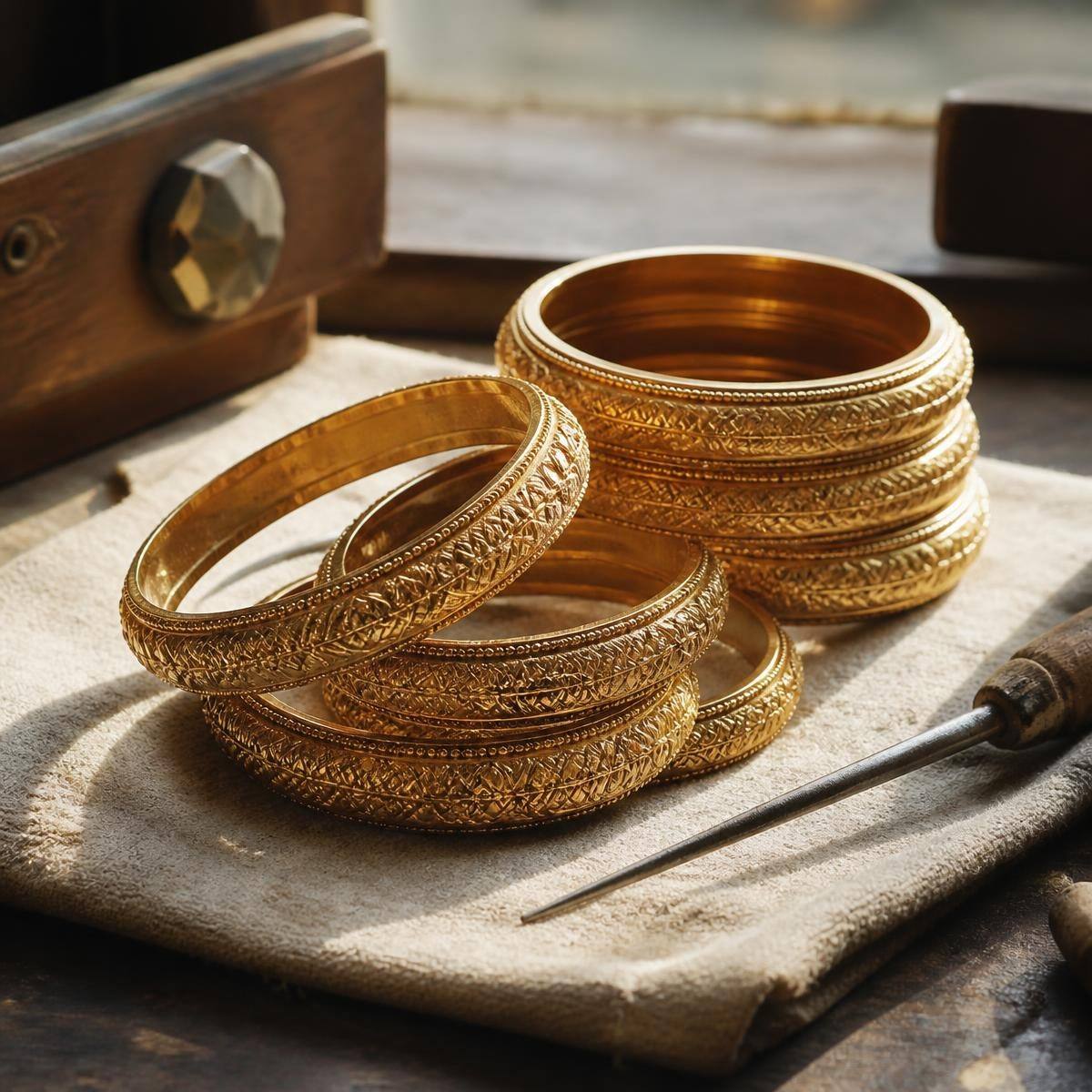
Hand-Carved Bangle
Gold · 22K · 18.40 g
Price on enquiry
Made to order
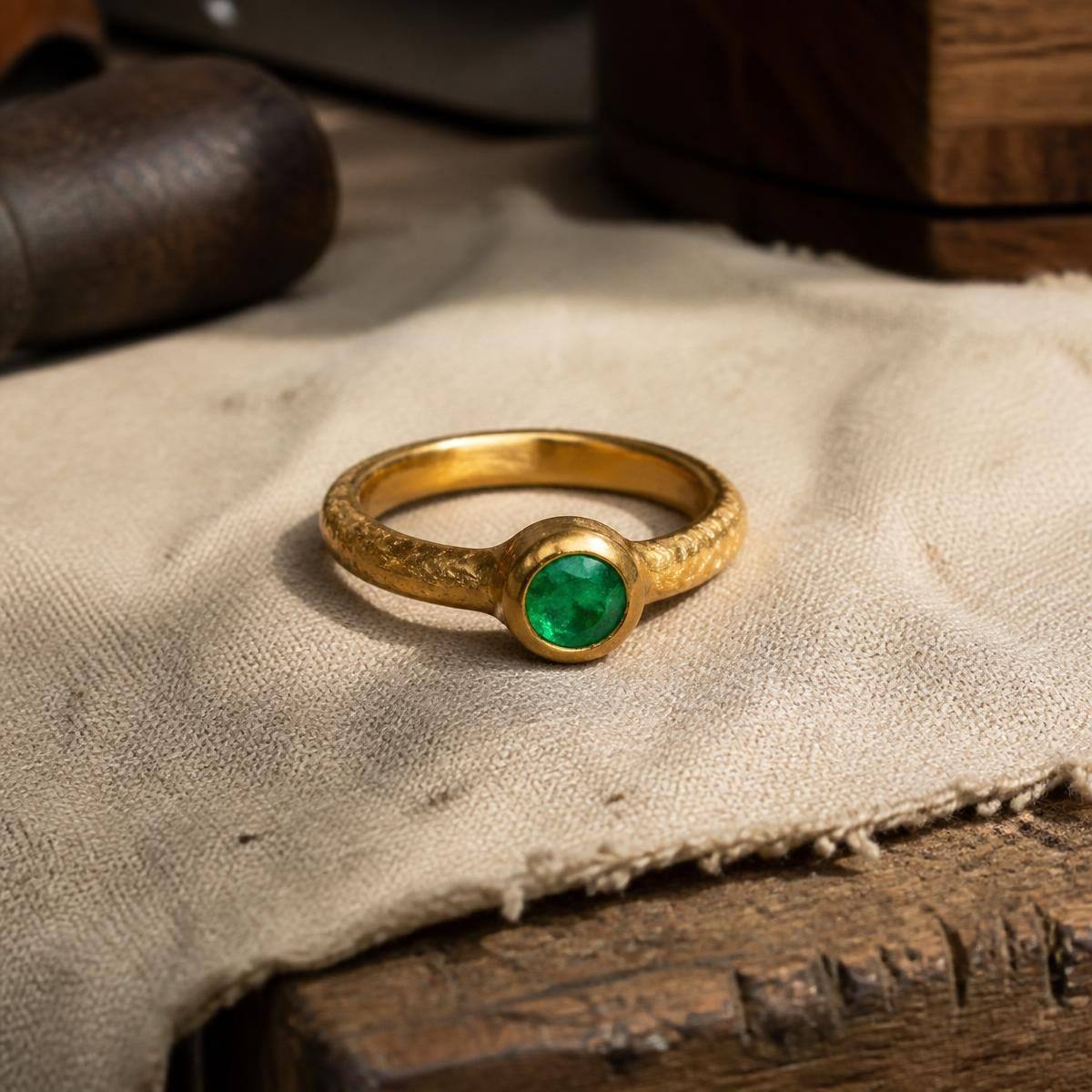
Classic Band Ring
Gold · 21K · 5.10 g
Price on enquiry
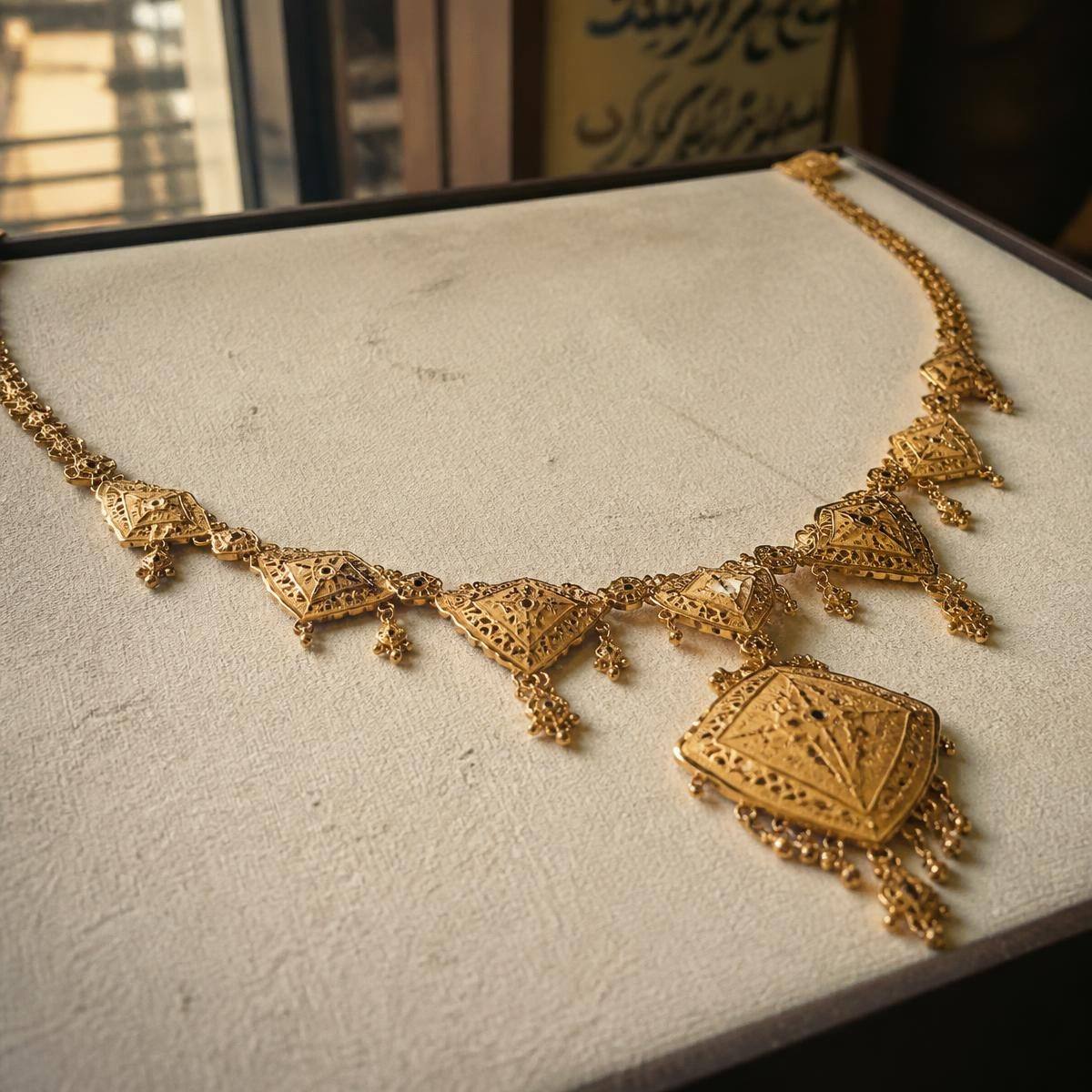
Made to order
Heritage Choker Necklace
Gold · 22K · 48.50 g
Price on enquiry
Made to order
Bridal Bangle Set (Pair)
Gold · 22K · 36.00 g
Price on enquiry